On this page
Advertising codes: what do ICC, ASA and NAD add that consumer law does not?
Status
Self-regulation. The ICC Framework for Responsible Environmental Marketing Communications (2025 edition, published 7 November 2025) is a global industry code. UK CAP Code section 11 is the ASA’s advertising code; marketers must also take account of the CMA Green Claims Code. NAD is the US National Advertising Division. None of these instruments is legislation. They are faster than courts and, in the US, a partial substitute for an un-updated Green Guides text.
net zero · carbon neutral · recyclable · compostable · free-fromPrescribed, banned or litigated wording — not production artwork
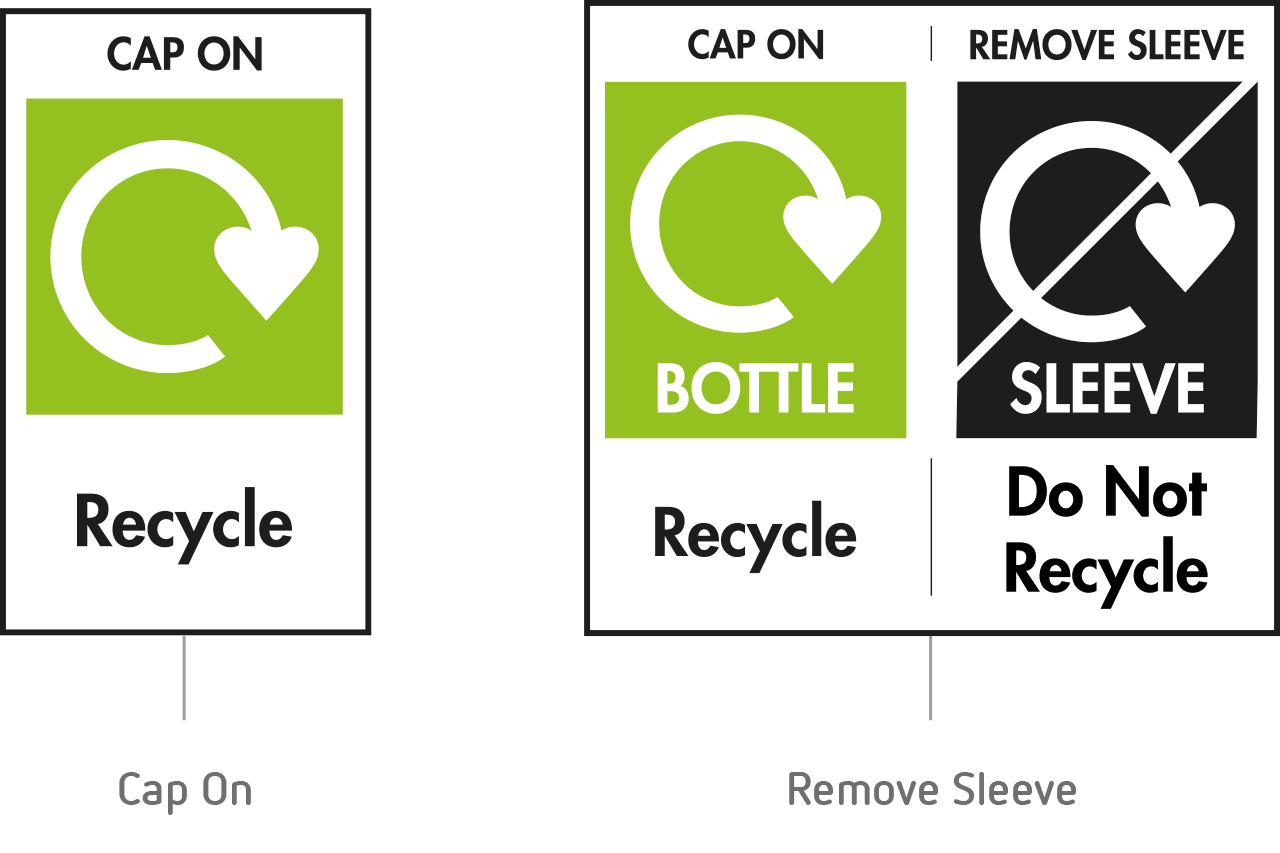
Wording lock-ups record prescribed, banned or litigated phrases for identification and commentary. They are not production artwork and do not grant permission to print.
Why self-regulation still matters
Every national regime in this tranche is a public-law machine: a statute, a court, a competition authority. Packs are also marketing communications, and marketing communications have, since 1937, been subject to a second machine that does not wait for a minister. The ICC Advertising and Marketing Communications Code is the global self-regulatory parent. Chapter D deals with environmental claims. The ICC Framework for Responsible Environmental Marketing Communications is the applied commentary: “the global self-regulatory standard for ensuring that environmental marketing is both responsible and ethical” (ICC, 2025). The 2025 edition, published 7 November 2025, adds refined examples on climate-related claims (net zero, carbon-neutral), circularity and “free-of” claims, recyclability and recycled content, and degradable, compostable and reusable claims (ICC, 2025).
Self-regulation adds three things public law is slow to add. First, a ruling in weeks rather than years. Second, copy-advice before the pack is printed. Third, a published example that the next artworker can actually use. It does not add a defence. A CAP-compliant pack can still be an EmpCo generic claim, an AGEC banned mention, or an ACL contravention. The certification article makes the parallel point about seals; this article makes it about codes.
UK: CAP section 11
The UK Code of Non-broadcast Advertising and Direct & Promotional Marketing, section 11, is the ASA’s environmental-claims chapter. Rule 11.1: the basis of environmental claims must be clear; unqualified claims could mislead if they omit material information. Rule 11.2: the meaning of all terms used must be clear to consumers. Rule 11.3: absolute claims must be supported by a high level of substantiation; comparative claims such as “greener” or “friendlier” can be justified if the advertised product provides a total environmental benefit over the marketer’s previous product or competitor products and the basis of the comparison is clear. Rule 11.4: marketers must base environmental claims on the full life cycle of the advertised product, unless the marketing communication states otherwise, and must make clear the limits of the life cycle. Rule 11.5: marketers must not suggest that their claims are universally accepted if a significant division of informed or scientific opinion exists. Rule 11.7: marketing communications must not mislead about the environmental benefit a product offers — for example by highlighting the absence of an ingredient not usually found in competing products, or a benefit that results from a legal obligation competing products also bear (ASA, n.d.).
The section’s background note tells marketers to take account of the CMA Green Claims Code (ASA, n.d.). CAP is the advertising-adjudication track; the Green Claims Code, treated in the UK article, is the competition-authority track; from 6 April 2025 the CMA can fine under the DMCC Act without going to court. A pack can be an ASA case, a CMA case, or both.
United States: NAD
The National Advertising Division of BBB National Programs is the US self-regulatory forum that hears competitor and consumer challenges to national advertising, including on-pack environmental claims, and publishes decisions recommending modification or discontinuance. It is not the FTC. It cannot impose a civil penalty. It can generate a public record that the FTC, state attorneys general and class plaintiffs then read. In a decade when the Green Guides have remained the 2012 text, NAD decisions have been a place where “recyclable”, “compostable”, “carbon-neutral” and recycled-content claims have been tested against current consumer takeout more often than in Part 260 itself. That filling-the-gap function is the one the Green Guides article ascribes to state AGs and private plaintiffs; NAD is the quieter third channel.
What a printer should take
| Field | Rule |
|---|---|
| ICC Framework 2025 | Self-regulatory commentary on ICC Code Chapter D. Updated 7 November 2025. Examples on climate, circularity, free-from, recyclability, compostable, reusable. Not legislation. |
| UK CAP s. 11 | Clear basis; clear terms; high substantiation for absolute claims; named comparator for “greener”; life-cycle unless limited; no false uniqueness; no legal-obligation-as-virtue. Take account of the CMA Green Claims Code. |
| US NAD | Forum, not a statute. Published recommendations. Does not displace 16 CFR Part 260 or state AG actions. |
| Same-medium rule | CAP 11.1 and 11.4, the BGH Katjes holding, EmpCo’s “on the same medium” specification gate, and ACCC principle 3 all point the same way: the pack must carry the qualification that makes the claim true. |
| Not a defence | Code compliance is evidence of care. It is not a statutory safe harbour against AGEC, EmpCo, the ACL, the UWG or the FTC Act. |
Traps
The first trap is treating a CAP or NAD clearance as a licence for a French or German SKU. Self-regulation is territorial in practice even when ICC is global in form. The second is treating the 2025 ICC examples as new permissions for “carbon-neutral” on an EU pack. The Framework tells marketers how to speak responsibly; EmpCo tells them which sentences are unfair in all circumstances. The third is ignoring ASA because the CMA now has direct-enforcement powers. The two tracks run in parallel.
References
ICC (2025) ICC Framework for Responsible Environmental Marketing Communications, 7 November.. Available at: Open source (Accessed: 22 August 2026).
ASA (n.d.) CAP Code, section 11 Environmental claims.. Available at: Open source (Accessed: 22 August 2026).
BBB National Programs (n.d.) National Advertising Division.. Available at: Open source (Accessed: 22 August 2026).
Note on sources and verification
ICC’s self-description, the 7 November 2025 date and the list of emerging areas are from the ICC Framework page as retrieved. CAP rules 11.1–11.5 and 11.7, and the instruction to take account of the CMA Green Claims Code, are from the ASA section 11 page as retrieved. NAD is characterised from its public identity as BBB National Programs’ national advertising forum; no individual NAD decision is cited. The “not a defence” proposition is this library’s legal characterisation, consistent with the certification-defence article.
Last verified: 22 August 2026.